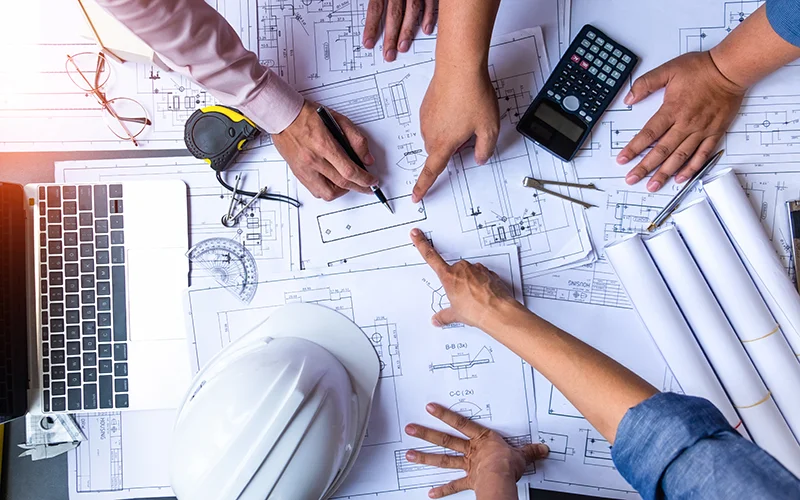
Every building outlives its ribbon-cutting ceremony by decades, and the choices made at the design table determine whether those decades are smooth or painful. A space designed only for the moment of occupancy—impressive finishes, cutting-edge systems, a striking silhouette—can quietly become a liability the day the warranty expires. Long-term operations thinking asks a different question than initial design typically does: not just “does this work,” but “can someone maintain this affordably, safely, and efficiently for thirty years?” Mechanical systems that are difficult to access, equipment that requires proprietary parts, or layouts that make routine servicing a logistical puzzle all impose costs that compound over the life of the building. Designing with operations in mind front-loads a small amount of humility and foresight in exchange for a large reduction in lifecycle cost, downtime, and frustration for the people who will actually run the building long after the architects and engineers have moved on to their next project.
This is where facilities personnel and an owner’s representative become indispensable, particularly as a check against the tendency toward over-design. Design teams, left to their own devices, often gravitate toward redundancy, complexity, and the latest technology—not out of recklessness, but because more capability feels safer and more impressive on paper. Facilities staff bring the opposite instinct, shaped by hard experience: they know which specified systems have failed in similar buildings, which control sequences confuse operators, and which “smart” features end up disabled within a year because no one was trained to use them or budgeted to maintain them. An owner’s representative, meanwhile, holds the financial and strategic thread across the whole project, translating the operator’s ground-level concerns into design requirements and preventing decisions driven by vendor enthusiasm or design trends rather than actual need. Together, they act as a counterweight to complexity for its own sake, pushing the team toward systems that are appropriately sized, serviceable, and matched to the staff and budget that will actually exist after occupancy.
The payoff of this collaboration shows up quietly, in the things that don’t go wrong. Equipment gets replaced on schedule instead of failing unexpectedly because access and lifecycle costs were considered upfront. Energy bills stay predictable because systems weren’t oversized to hedge against uncertainty that better planning could have resolved. Staff can actually operate what was built for them, because someone who does that job every day had a seat at the table before drawings were finalized. Involving facilities personnel and an owner’s rep early doesn’t slow a project down or dilute its ambition—it disciplines that ambition, ensuring that what gets built is not just impressive on opening day but genuinely sustainable for the institution that has to live with it long after the design team has gone home.